



Quantum Entanglement vs. Indra’s Net — The Universe as an Indivisible Whole
On May 15, 1935, the *Physical Review* published a paper that would haunt physics for the next ninety years.

On May 15, 1935, the *Physical Review* published a paper that would haunt physics for the next ninety years.

Heisenberg’s “uncertainty” is a misnomer: a particle doesn’t have a position we fail to measure — it genuinely has none. How can five symbols reach the same insight Buddhism did 2,500 years ago: that nothing has an inherent nature?
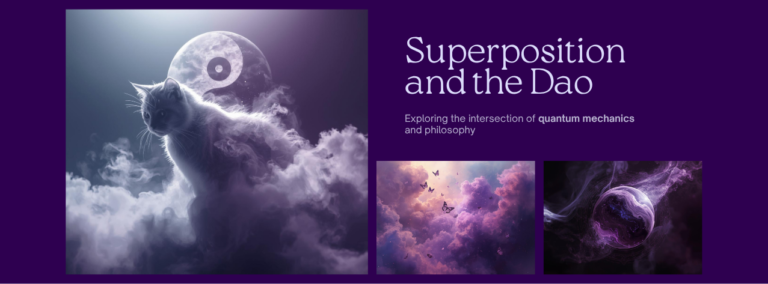
Schrödinger’s cat is alive and dead at once. 2,000 years earlier, Zhuangzi woke from a dream unable to tell if he was a man or a butterfly. Coincidence?
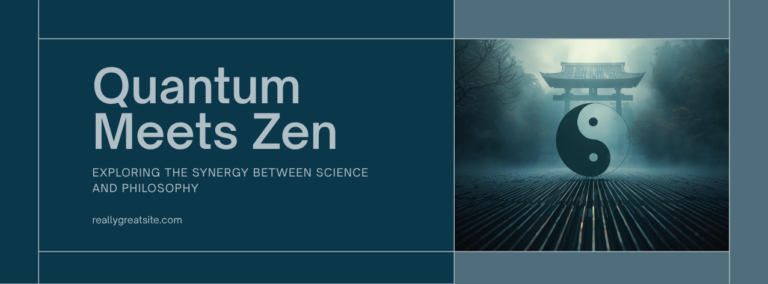
Bohr said observation creates reality. Nishida said all things arise from absolute nothingness. Two thinkers who never met — yet reached strikingly similar conclusions.
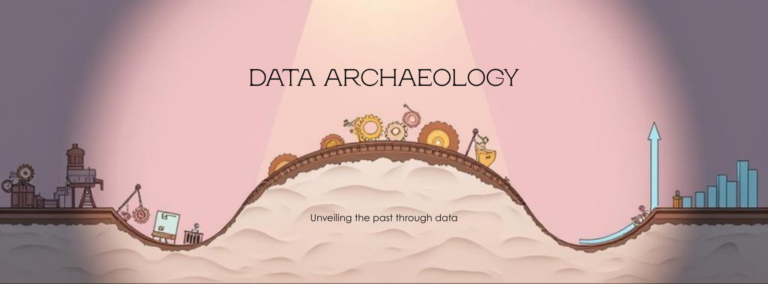
In 1851, the world’s first glass megastructure gleamed in London. The Crystal Palace displayed more than industrial achievement — it held an era’s data fingerprint.

In 1899, Taylor stood beside workers with a stopwatch. In 2024, Uber’s algorithm needs no stopwatch — it knows you better than Taylor ever could.
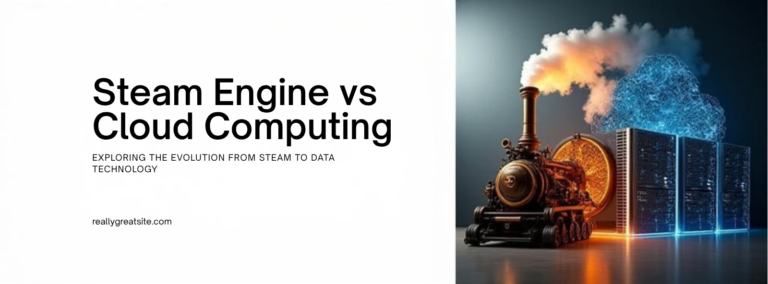
James Watt didn’t sell steam engines — he leased them, taking a cut of the fuel you saved. That was SaaS, 230 years before AWS. Why do two energy revolutions rhyme so exactly?
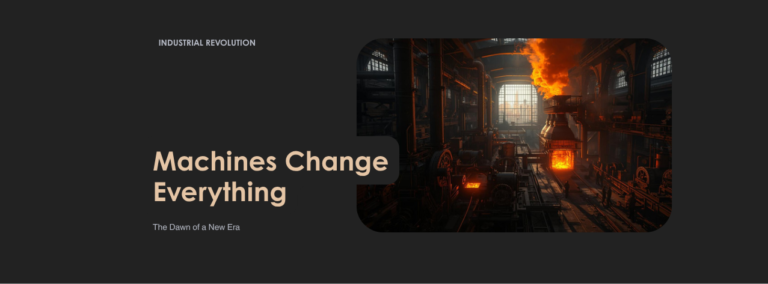
Between 1760 and 1840, Britain’s GDP growth suddenly outpaced the entire world. How did one steam engine rewrite the global economic map?
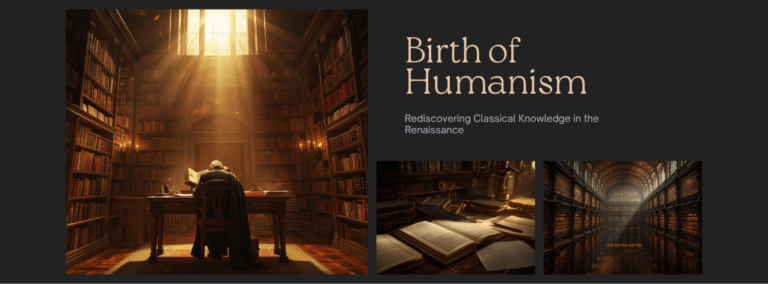
A twenty-year-old Italian scholar named Petrarch was rummaging through the papal library on a dull afternoon. He wasn’t looking for anything in particular — jus
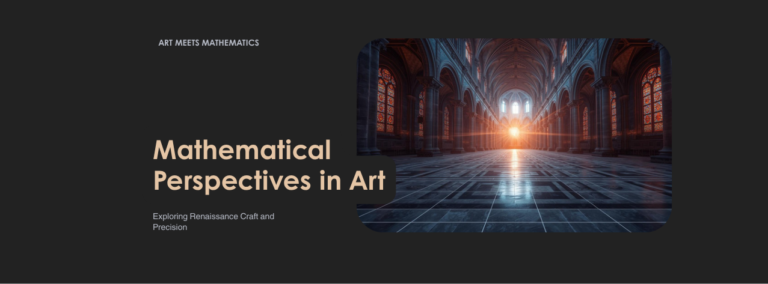
In 1413, an architect held up a mirror in front of a cathedral. When the painting and reality perfectly overlapped, art gained its third dimension forever.