



The Ultimate Legacy of the Renaissance: What Did We Inherit After 500 Years?
12 articles, 6 analytical tools, 500 years of history — the Renaissance left us far more than paintings in museums.
12 articles, 6 analytical tools, 500 years of history — the Renaissance left us far more than paintings in museums.
A book sold out in hours, then changed how humanity sees itself. Darwin proved: you share 98.8% of your DNA with chimpanzees.
Between 1760 and 1840, Britain’s GDP growth suddenly outpaced the entire world. How did one steam engine rewrite the global economic map?
The Enlightenment said: reason above all. Romanticism fired back: you reduced the human soul to numbers and forgot the most important thing — feeling.
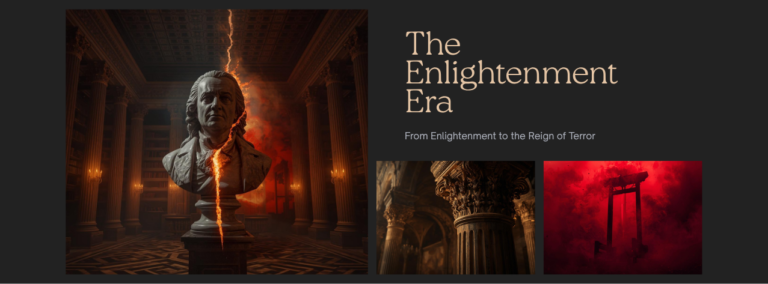
Kant never traveled more than 10 miles from home, yet shook the world with one sentence: ‘Dare to know! Have the courage to use your own reason!’
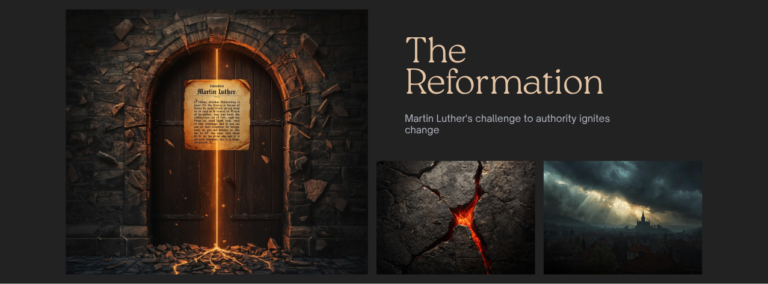
A monk nailed 95 theses to a church door, expecting a theology debate. Within six months, authority structures across Europe began to crumble.
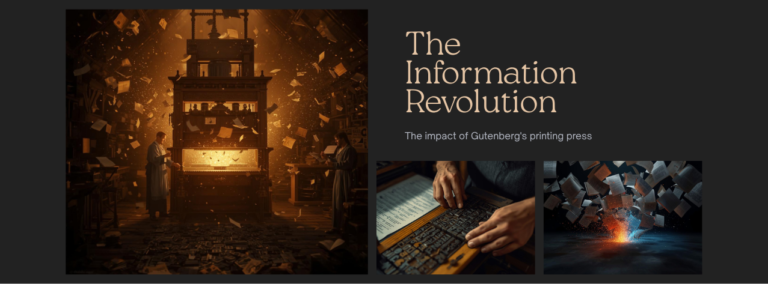
Book costs dropped 68%. Literacy rates surged. Gutenberg didn’t just invent printing — he triggered humanity’s first information explosion.
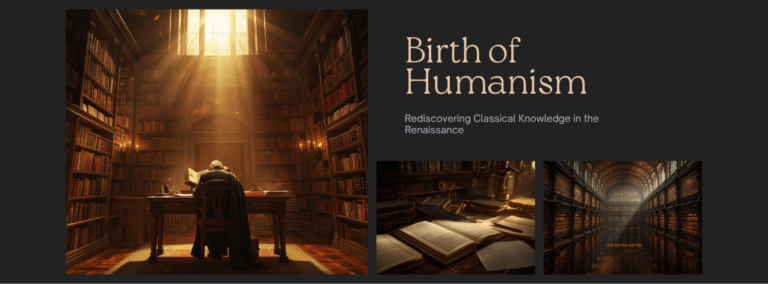
A twenty-year-old Italian scholar named Petrarch was rummaging through the papal library on a dull afternoon. He wasn’t looking for anything in particular — jus
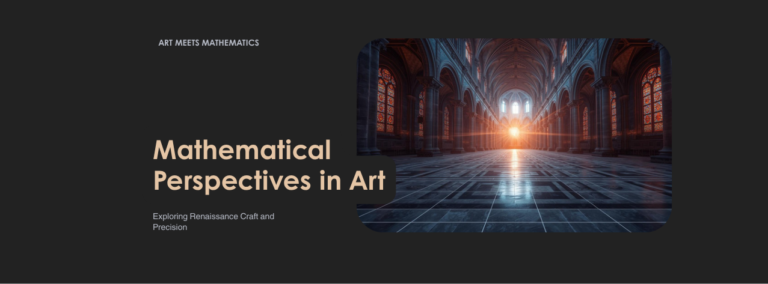
In 1413, an architect held up a mirror in front of a cathedral. When the painting and reality perfectly overlapped, art gained its third dimension forever.
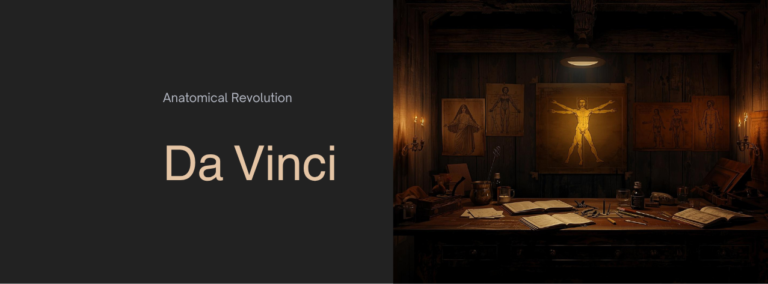
Europe’s most famous painter spent 30 years secretly dissecting over 30 corpses at midnight. His question was simple: to paint humans, you must first understand them.