The Ultimate Legacy of the Renaissance: What Did We Inherit After 500 Years?
Series: Digital Rebirth of the Renaissance #12/12 — GRAND FINALE | Read time: 30 min | Language: Python
Author: Wina @ Code & Cogito
When Twelve Stories Become One Grand Narrative
Twelve weeks ago, we began in Florence.
One city, one family, a handful of artists.
But that was not just history. It was the start of a revolution.
Twelve weeks later, we have traveled 500 years:
From the Medici banking house to Darwin’s theory of evolution.
From the mathematics of perspective to the machines of the Industrial Revolution.
From the birth of humanism to the rebellion of Romanticism.
These twelve stories are, in truth, one story.
It is the story of how humanity moved from a God-centered medieval world to a human-centered modern world.
It is the story of how we learned to question authority, pursue truth, and embrace change.
It is the story of how we went from asking “Who am I?” to asking “Who can I become?”
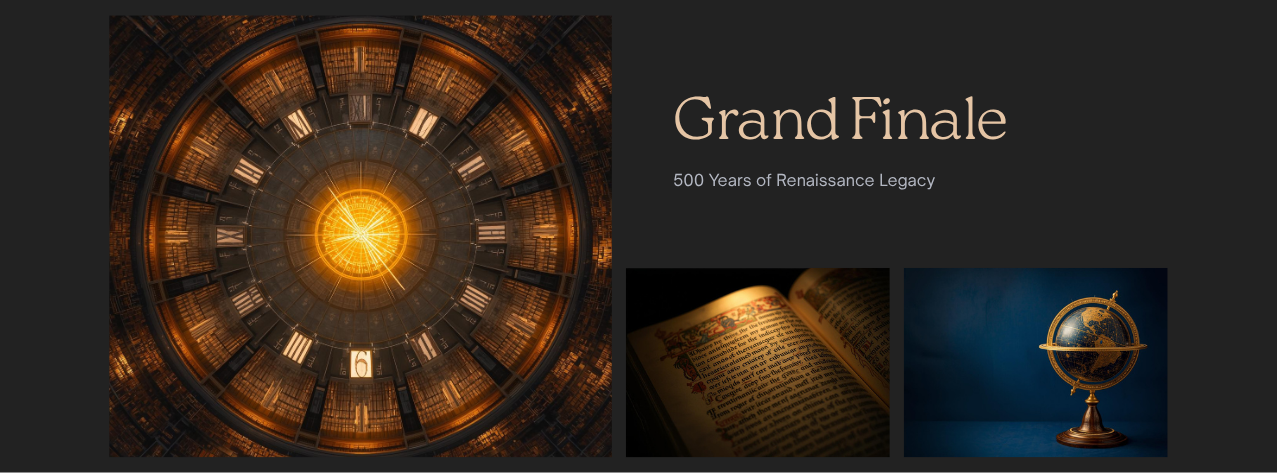
This article is the culmination of our twelve-week journey.
Are you ready to see the distillation of 500 years of human thought?
Review: The Twelve Milestones We Passed
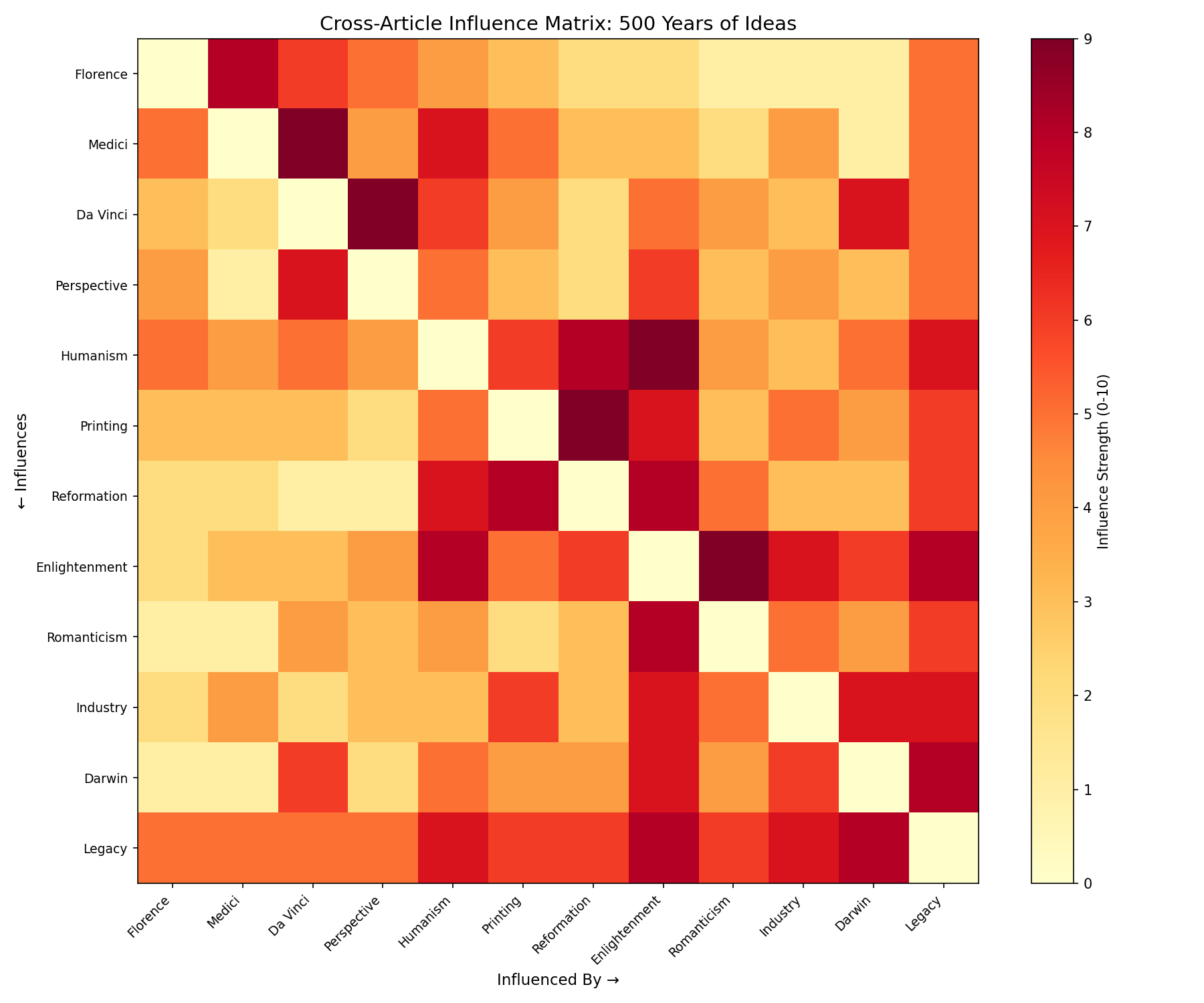
Let us revisit the twelve articles. They were never isolated. They were always connected.
Article 1: The Cradle in Florence (1400–1500)
Core question: Why Florence?
Answer:
– Republican government (relative freedom)
– Commercial prosperity (wealth funding art)
– Competitive environment (between city-states, between artists)
– Classical cultural heritage (Roman ruins)
Key insight: Great culture is not an accident. It is a combination of conditions.
Article 2: The Medici Financial Empire (1397–1494)
Core question: How does wealth drive culture?
Answer:
– The Medici bank built a European financial network
– Wealth funded artists and scholars
– Cultural capital became political power
Key insight: Cultural revolution requires an economic foundation.
Article 3: Leonardo’s Anatomy (1490s–1510s)
Core question: How do art and science converge?
Answer:
– Leonardo dissected 30 corpses and drew accurate anatomical studies
– Artistic realism demanded scientific knowledge
– Observation and experiment replaced dogma
Key insight: Truth requires evidence, not just authority.
Article 4: The Mathematics of Perspective (1413–1435)
Core question: How do you create depth on a flat surface?
Answer:
– Brunelleschi discovered linear perspective
– Alberti formalized it mathematically (vanishing point, horizon line)
– Art became science
Key insight: The way we see the world can change. Reason can explain perception.
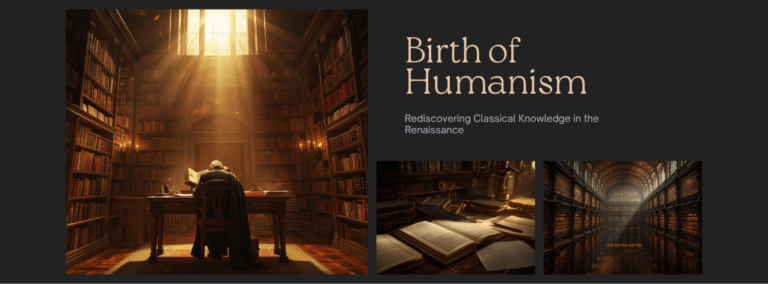
Article 5: The Birth of Humanism (1300s–1500s)
Core question: Where does human value come from?
Answer:
– Petrarch: return to classical texts
– Humanism: human value comes from reason and virtue, not only faith
– Educational reform: grammar, rhetoric, history, poetry, ethics
Key insight: Humans are not merely sinners. They are rational beings with potential.
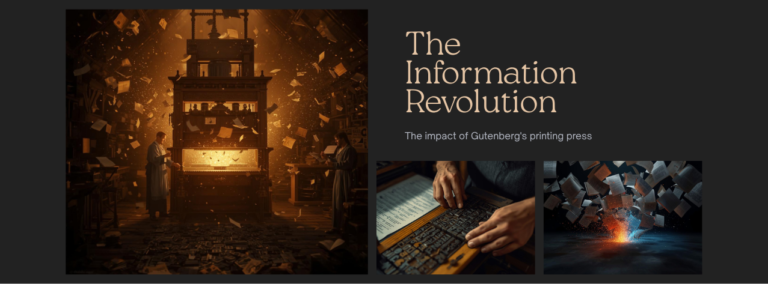
Article 6: The Printing Press Explosion (1450–1500)
Core question: How does an information revolution reshape society?
Answer:
– Gutenberg’s printing press (1450)
– Book production exploded: from 30,000 before 1450 to 20 million by 1500
– Knowledge was democratized
Key insight: Technology changes how information spreads, which changes power structures.
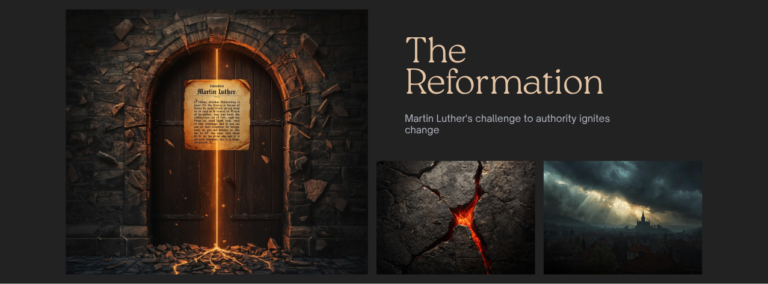
Article 7: The Chain Reaction of the Reformation (1517–1648)
Core question: Why did challenging the Church become possible?
Answer:
– Luther’s 95 Theses (1517)
– The printing press spread ideas
– Individuals could communicate with God directly (no Church intermediary)
– Religious wars (130 years, 20 million dead)
Key insight: Once authority is questioned, change becomes unstoppable — but the cost is staggering.
Article 8: The Rationality of the Enlightenment (1650–1800)
Core question: Can reason replace revelation?
Answer:
– Kant: “Dare to use your own reason”
– The scientific method led to a rational worldview
– Social contract theory, democratic ideals
– American independence, the French Revolution
Key insight: Reason is a tool of liberation, but it can also be taken to extremes (the Reign of Terror).
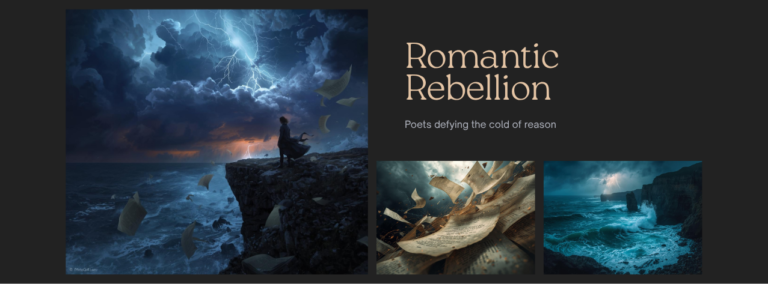
Article 9: The Rebellion of Romanticism (1780–1850)
Core question: What did rationality leave out?
Answer:
– Wordsworth: “Poetry is the spontaneous overflow of powerful feelings”
– Emotion over reason, nature over civilization, individuality over conformity
– A reaction against Enlightenment rationalism
Key insight: Humans are not merely rational machines. Emotion, intuition, and imagination matter just as much.
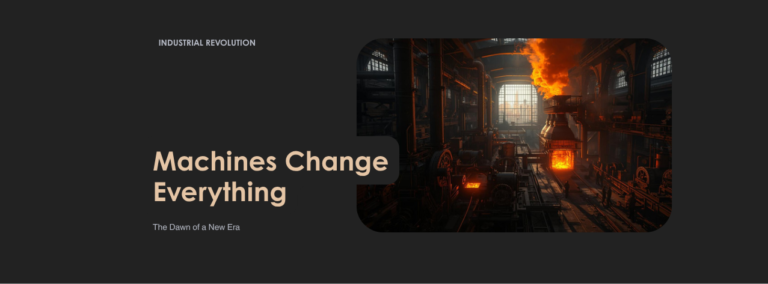
Article 10: The Machines of the Industrial Revolution (1760–1900)
Core question: Does technological progress equal human happiness?
Answer:
– Steam engines, factories, railways
– Productivity exploded (textile output increased 1,000-fold)
– The cost: workers toiling 84 hours per week, average life expectancy of 22
– Wealth inequality surged (Gini coefficient: 0.45 to 0.64)
Key insight: Progress has a price. Social institutions must adapt.
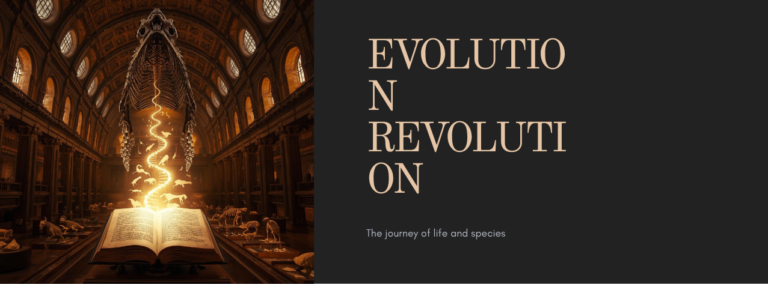
Article 11: Darwin’s Theory of Evolution (1859)
Core question: What is humanity’s place in nature?
Answer:
– Species evolve through natural selection
– Humans share 98.8% of their DNA with chimpanzees
– Humans are not a special creation of God
– We are the contingent products of evolution
Key insight: Humans are not special, but they are unique. Our value comes from evolution, not from divinity.
Five Core Themes: The Inner Logic of 500 Years
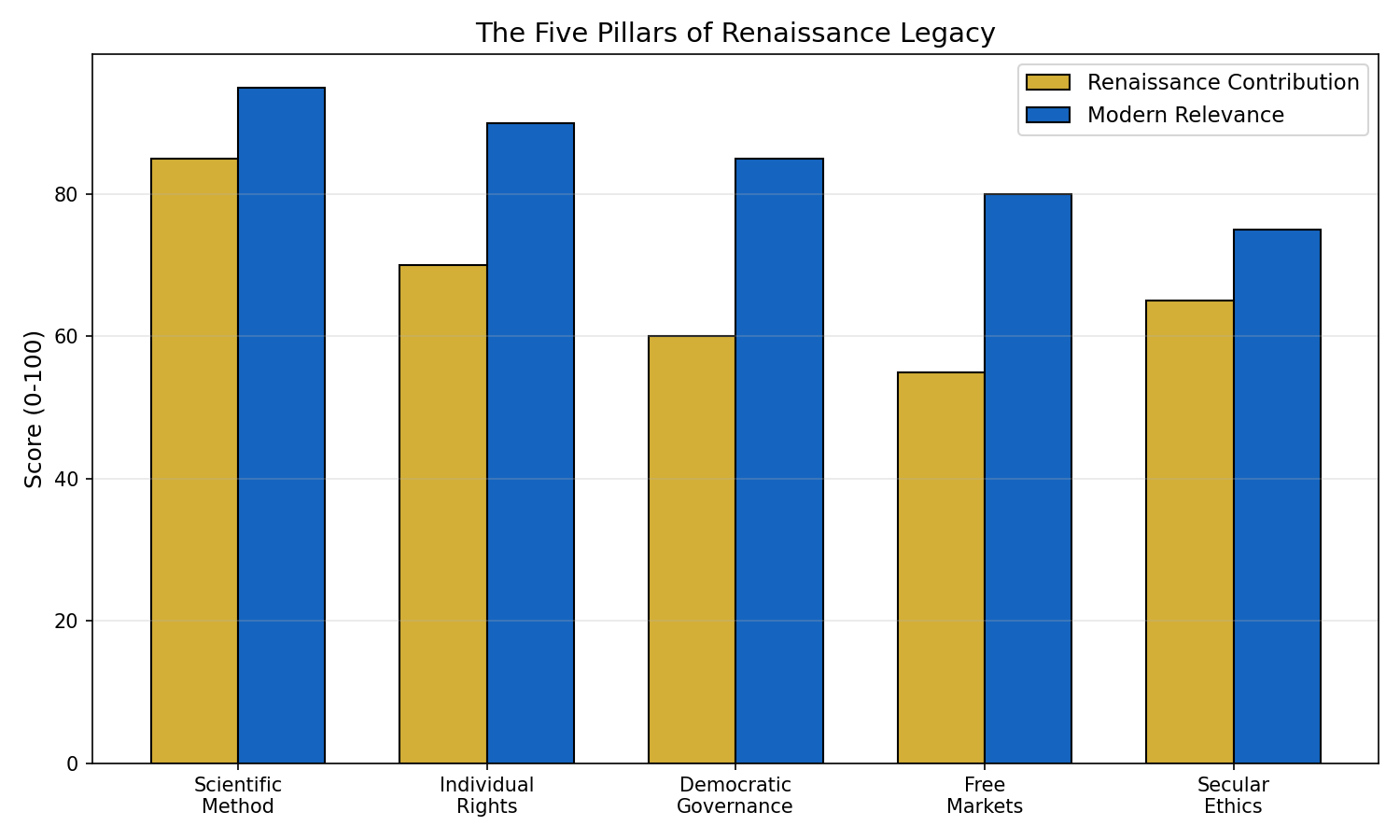
These twelve articles revolve around five core themes.
Theme 1: From God-Centered to Human-Centered
The medieval worldview:
– God was the center
– The purpose of life: salvation
– Source of knowledge: the Bible and the Church
– Source of value: faith
The shift that the Renaissance set in motion:
Humanism (Article 5) — human value comes from reason and virtue
Leonardo’s anatomy (Article 3) — the human body becomes a subject of study
The Enlightenment (Article 8) — reason is the tool for understanding the world
Darwin (Article 11) — humans are part of nature
Result: Humans are no longer merely servants of God. They are subjects with value, capability, and dignity.
Theme 2: From Authority to Evidence
The medieval way of knowing:
– Truth came from authority (the Church, Aristotle)
– Method: cite the canon
– Doubt = heresy
The shift that the Renaissance set in motion:
Leonardo (Article 3) — dissect corpses, observe with your own eyes
Perspective (Article 4) — verify perception with mathematics
The printing press (Article 6) — information is democratized; anyone can verify
The Reformation (Article 7) — individuals can read the Bible themselves
The Enlightenment (Article 8) — the scientific method: observe, hypothesize, experiment, verify
Result: Truth does not come from authority. It comes from evidence.
Theme 3: How Technology Reshapes Society
Technology is not neutral. It changes power structures.
The printing press (Article 6):
– Knowledge shifted from a Church monopoly to public access
– The Reformation and the Scientific Revolution became possible
– In 50 years, books went from 30,000 to 20 million
The Industrial Revolution (Article 10):
– New modes of production led to urbanization and class division
– Capitalism rose
– Labor movements and socialism emerged
Modern parallels:
– The internet = the new printing press
– AI = the new Industrial Revolution
– The same questions apply: Who benefits? Who is harmed? How do we adjust?
Theme 4: The Tension Between Reason and Emotion
This tension runs through all 500 years.
The Enlightenment (Article 8): Reason supreme
– Reason over emotion
– Order over chaos
– Rules over intuition
Romanticism (Article 9): Emotion strikes back
– Emotion over reason
– Nature over civilization
– Individuality over conformity
The modern era: Seeking balance
– Reason for decisions, emotion for experience
– Science to understand the world, art to enrich life
– Efficiency and meaning, side by side
The eternal question: When reason and emotion conflict, which do you follow?
Theme 5: The Cost of Progress
Every advance carries a price.
The Reformation (Article 7):
– Gained: religious freedom, individual faith
– Cost: 130 years of religious war, 20 million dead
The Enlightenment (Article 8):
– Gained: rational thought, democratic revolution
– Cost: the Reign of Terror, 16,594 executed
The Industrial Revolution (Article 10):
– Gained: explosive productivity, material abundance
– Cost: worker suffering (84 hours/week, life expectancy 22), environmental destruction, rising inequality
Darwin (Article 11):
– Gained: scientific understanding of life
– Cost: loss of humanity’s sacred status, misuse through Social Darwinism
The lesson: Progress does not automatically bring happiness. Social institutions must be redesigned to match.
Python Analysis: 500 Years of Intellectual Evolution
Free Code: Four-Dimension Timeline Visualization
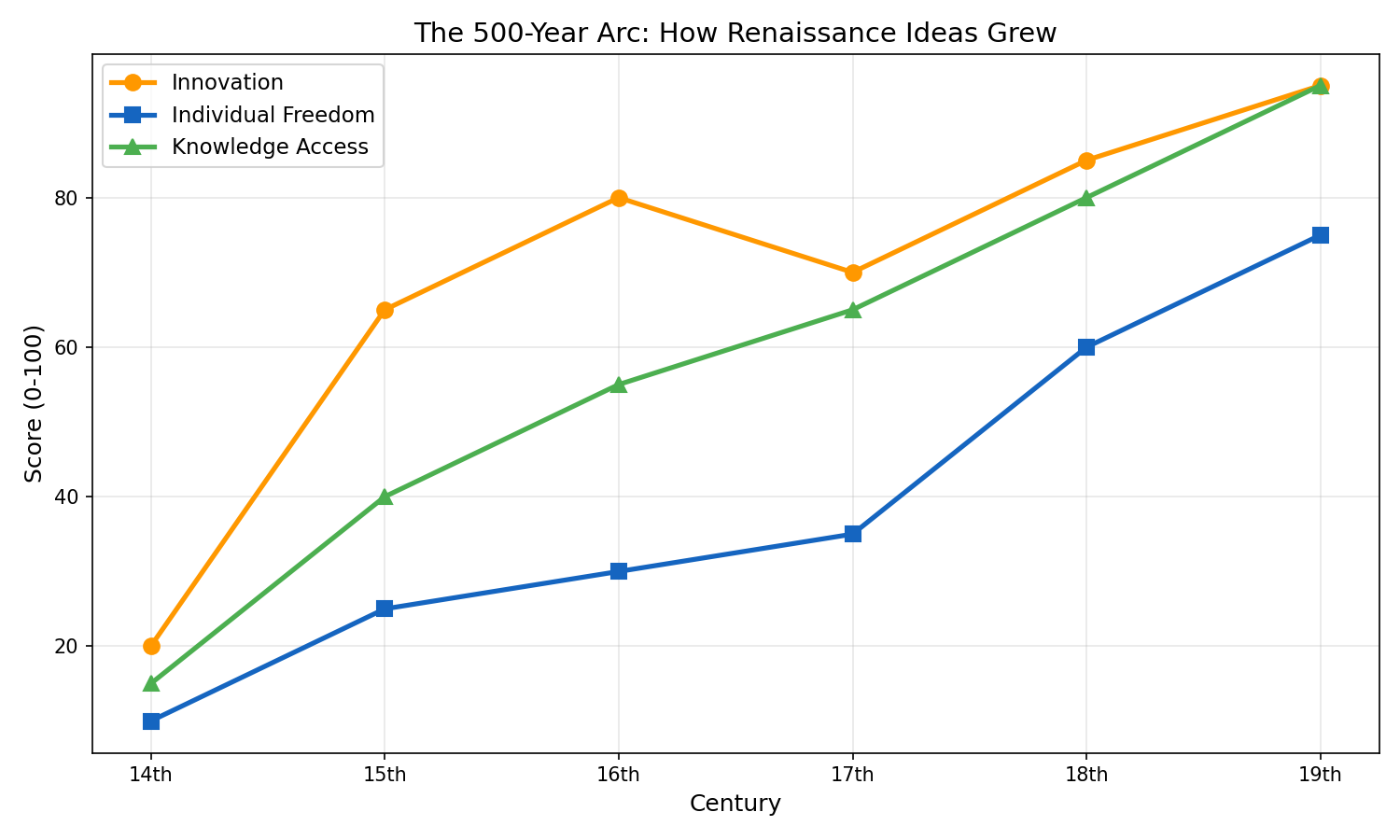
Four dimensions of change across 500 years:
| Period | Humanism | Rationality | Emotion | Technology |
|---|---|---|---|---|
| Humanism (1350) | 10 | 5 | 6 | 2 |
| Printing Press (1450) | 8 | 6 | 5 | 8 |
| Reformation (1517) | 7 | 7 | 7 | 7 |
| Enlightenment (1700) | 6 | 10 | 3 | 6 |
| Romanticism (1800) | 8 | 5 | 10 | 5 |
| Industrial Rev. (1800) | 5 | 8 | 4 | 10 |
| Darwin (1859) | 7 | 9 | 6 | 8 |
import numpy as np

# 500 years of intellectual evolution: 4 dimensions
periods = ['Humanism\n1350', 'Printing\n1450', 'Reformation\n1517',
           'Enlightenment\n1700', 'Romanticism\n1800',
           'Industrial Rev.\n1800', 'Darwin\n1859']
humanism = [10, 8, 7, 6, 8, 5, 7]
rationality = [5, 6, 7, 10, 5, 8, 9]
emotion = [6, 5, 7, 3, 10, 4, 6]
technology = [2, 8, 7, 6, 5, 10, 8]

x = np.arange(len(periods))
Key insights:
– The pendulum of reason and emotion: Enlightenment rationality peaks, then Romantic emotion rebounds
– Questioning authority grows stronger over time: from the Reformation through the Scientific Revolution
– Humanism runs through everything: human value rises continuously
– Technology accelerates: exponential growth after the Industrial Revolution
The Four Core Dimensions of the Renaissance Spirit
What is “the Renaissance spirit”?
I break it down into four core dimensions, then score eight major movements:
1. Curiosity — the hunger for the unknown, the courage to explore
2. Courage — challenging authority, taking risks
3. Creativity — innovative thinking, breaking frameworks
4. Questioning Authority — refusing to follow blindly, thinking independently, demanding evidence
Scores for Eight Movements (1–10)
| Movement | Curiosity | Courage | Creativity | Questioning Authority | Total |
|---|---|---|---|---|---|
| Humanism | 10 | 8 | 9 | 7 | 34 |
| Leonardo | 10 | 9 | 10 | 8 | 37 |
| Printing Press | 8 | 7 | 10 | 9 | 34 |
| Reformation | 7 | 10 | 7 | 10 | 34 |
| Enlightenment | 9 | 9 | 8 | 10 | 36 |
| Romanticism | 8 | 8 | 10 | 6 | 32 |
| Industrial Revolution | 6 | 5 | 9 | 5 | 25 |
| Darwin | 10 | 10 | 8 | 10 | 38 |
Highest score: Darwin (38) — curiosity, courage, and questioning authority all at maximum
Key findings:
– Peak courage: the Reformation and Darwin (facing threats of death and ostracism)
– Peak creativity: Leonardo, the printing press, Romanticism
– Peak questioning of authority: the Reformation, the Enlightenment, Darwin
– Lowest overall: the Industrial Revolution — high in technical innovation, but weaker in intellectual spirit
Modern Applications: How the Renaissance Spirit Helps Us Today
Five contemporary domains that most need the Renaissance spirit:
1. AI Ethics (39/40)
The spirit required:
– Curiosity: 9/10 (understanding how AI works)
– Courage: 10/10 (challenging tech monopolies)
– Creativity: 10/10 (designing ethical frameworks)
– Questioning authority: 10/10 (not blindly trusting AI outputs)
The Renaissance lesson:
– The printing press democratized knowledge but also spread misinformation
– New social institutions are needed to keep pace
2. Climate Change (37/40)
The spirit required:
– Curiosity: 10/10 (understanding climate science)
– Courage: 10/10 (challenging fossil fuel interests)
– Creativity: 9/10 (green technology innovation)
– Questioning authority: 8/10 (scrutinizing corporate greenwashing)
The Renaissance lesson:
– The Industrial Revolution unleashed productivity but sacrificed the environment and workers
– Progress must balance short-term gain against long-term sustainability
3. Education Reform (34/40)
The spirit required:
– Curiosity: 9/10 (exploring new pedagogies)
– Courage: 8/10 (reforming entrenched systems)
– Creativity: 9/10 (innovative curricula)
– Questioning authority: 8/10 (challenging standardized testing)
The Renaissance lesson:
– Humanism reformed education: from rote memorization to critical thinking
– Time to move from the Industrial-era “factory model” to personalized learning
4. Political Polarization (32/40)
The spirit required:
– Curiosity: 7/10 (understanding opposing viewpoints)
– Courage: 9/10 (resisting populism)
– Creativity: 6/10 (finding common ground)
– Questioning authority: 10/10 (fact-checking political propaganda)
The Renaissance lesson:
– The Reformation led to 130 years of war and 20 million dead
– Rational dialogue, not emotional venting
5. Social Media’s Impact (31/40)
The spirit required:
– Curiosity: 8/10 (understanding algorithms)
– Courage: 7/10 (reducing usage)
– Creativity: 7/10 (building alternatives)
– Questioning authority: 9/10 (not trusting misinformation)
The Renaissance lesson:
– The printing press democratized knowledge but also amplified falsehood
– Technology is not neutral; it requires governance
Deep Dive: Complete Analysis Pack
This article shared the grand synthesis of 500 years of intellectual evolution and modern application analysis. The complete analysis pack goes further:
- 12-article topic network graph: interactive NetworkX knowledge graph revealing hidden connections between themes
- Full Renaissance Spirit radar chart suite: 8 movements x 4 dimensions, complete visualization and ranking analysis
- Interactive Jupyter Notebook: explore the 500-year timeline, adjust dimension weights, generate custom analyses
- Complete CSV datasets: all scoring data, timeline data, modern application scores
- Publication-ready charts: 300dpi, ready to use in papers or reports
Get the Article 12 Deep Dive Pack –>
By the Numbers: The Twelve-Week Journey
Series Achievement Statistics
Total output:
– 121,000 words (average 10,083 per article)
– 70 Python programs (average 5.8 per article)
– 80 visualizations (average 6.7 per article)
Scope:
– Time span: 500 years (1350–1859)
– Geographic span: Europe (Italy, Germany, England, France)
– Disciplinary span: history, philosophy, art, science, economics, sociology
We Are All Heirs of the Renaissance
Five hundred years ago, a group of people in Florence started a revolution.
They said:
– Humans have value
– Truth requires evidence
– Authority can be questioned
– The future can be changed
They changed the world.
Five hundred years later, we still carry that inheritance:
Every time we:
– Question an official narrative
– Verify a claim with data
– Pursue a personal dream
– Create something new
– Challenge an established rule
We are practicing the Renaissance spirit.
The Timelessness of the Renaissance Spirit
These questions never go out of date:
- Where does human value come from? (the heart of humanism)
- How do we verify truth? (the origin of the scientific method)
- How does technology reshape society? (the lesson of the printing press and the Industrial Revolution)
- How do we balance reason and emotion? (the dialectic of the Enlightenment and Romanticism)
- What is the cost of progress? (the blood and tears behind every revolution)
These qualities never go out of date:
- Curiosity: exploring the unknown, refusing to settle
- Courage: challenging authority, accepting risk
- Creativity: breaking frameworks, imagining the future
- Questioning: refusing to follow blindly, thinking independently, demanding evidence
A Note to the Reader: Your Renaissance
This series is over, but your Renaissance is just beginning.
The Renaissance is not an era. It is an attitude.
Every time you:
– Stay curious about the world
– Dare to question authority
– Create new possibilities
– Pursue truth and beauty
You are living the Renaissance spirit.
We are miracles — not because of divinity, but because of 500 years of human curiosity, courage, creativity, and questioning.
Thank you for walking this 500-year journey with me.
Farewell, Renaissance. Hello, future.
References
- Burckhardt, J. The Civilization of the Renaissance in Italy, 1860
- Burke, P. The Italian Renaissance: Culture and Society in Italy, 2014
- Greenblatt, S. The Swerve: How the World Became Modern, 2011
- Harari, Y.N. Sapiens: A Brief History of Humankind, 2014
- Pinker, S. Enlightenment Now, 2018