



Series 3 – Quantum Meets Eastern Philosophy
Series 3: Entangled Realities — Quantum Physics & Eastern Thought
Series Articles
-
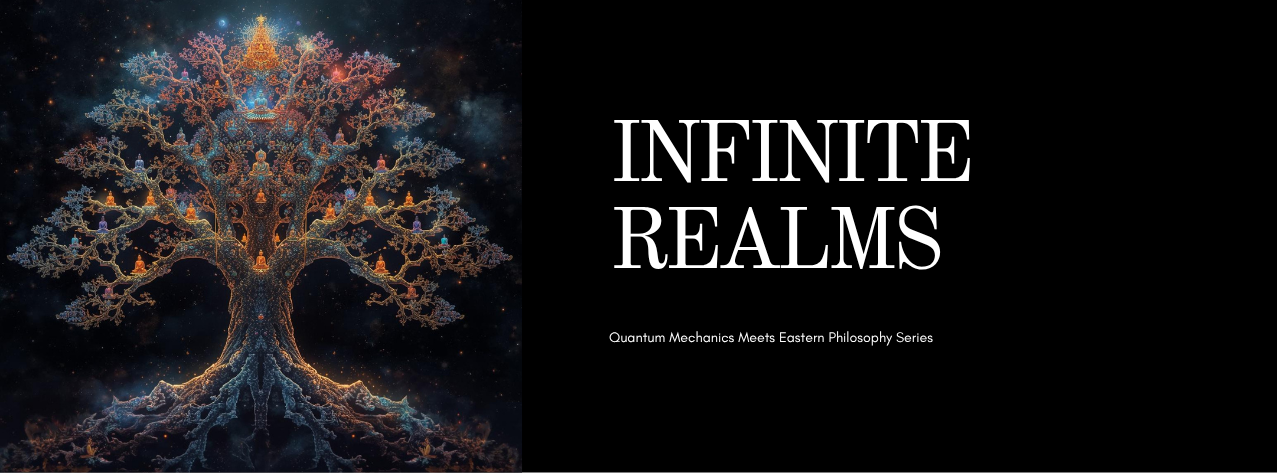
Many-Worlds Interpretation vs Huayan Buddhism’s “Infinite Interpenetration” — Endless Parallel Universes
Everett’s daughter left a note: gone to a parallel universe to find my father. The theory once dismissed as insane now wins 42% of physicists. Yet Huayan Buddhism mapped these endless worlds 1,200 years earlier.
-
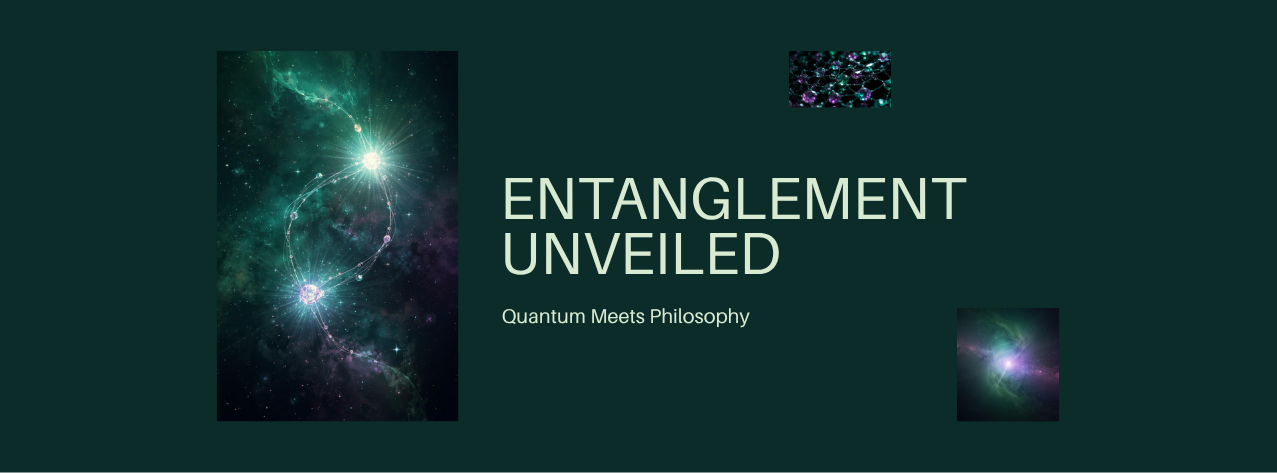
Quantum Entanglement vs. Indra’s Net — The Universe as an Indivisible Whole
On May 15, 1935, the *Physical Review* published a paper that would haunt physics for the next ninety years.
-
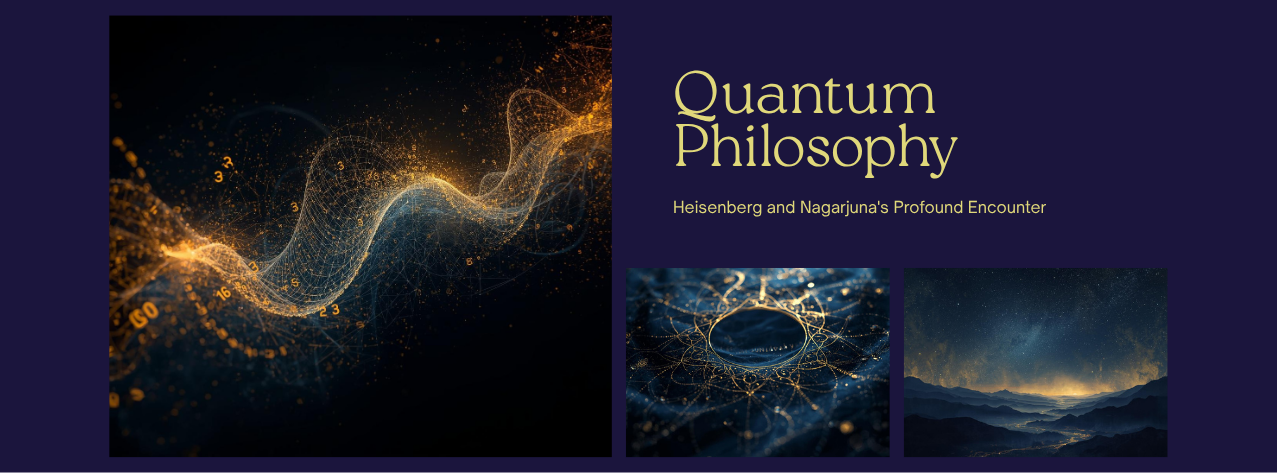
The Uncertainty Principle vs Buddhist “Emptiness” — Nothing Has an Inherent Nature
Heisenberg’s “uncertainty” is a misnomer: a particle doesn’t have a position we fail to measure — it genuinely has none. How can five symbols reach the same insight Buddhism did 2,500 years ago: that nothing has an inherent nature?
-
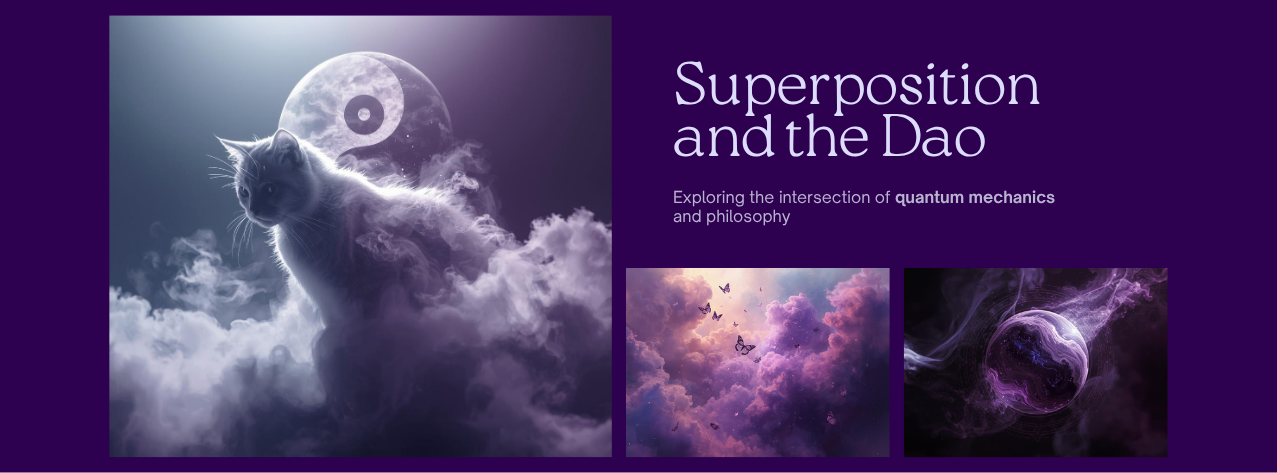
Quantum Superposition vs the Dao of Laozi and Zhuangzi — Between Being and Not-Being
Schrödinger’s cat is alive and dead at once. 2,000 years earlier, Zhuangzi woke from a dream unable to tell if he was a man or a butterfly. Coincidence?
-
The Copenhagen Interpretation vs. the Kyoto School — A Dialogue Between Two Wisdoms
Bohr said observation creates reality. Nishida said all things arise from absolute nothingness. Two thinkers who never met — yet reached strikingly similar conclusions.
-
The Eve of the Quantum Revolution — When Newton’s Universe Began to Crumble
In 1900, Max Planck made a guess he called “an act of desperation”: energy comes in packets. He didn’t believe it himself — yet it lit the fuse that toppled Newton’s clockwork universe.